The Hunt for Dead Mount Display: Uncovering Sparse Online Data
In an increasingly interconnected world, where virtually any piece of information seems to be just a few clicks away, encountering a term that defies easy categorization and thorough explanation can be genuinely perplexing. Such is the case with "デッド マウント デスプレイ," which translates directly to
Dead Mount Display. Far from being a widely understood concept or a common product, this term presents a unique challenge for those seeking to understand its meaning, applications, or even its fundamental existence within the digital landscape. Our journey into uncovering information about
Dead Mount Display reveals a remarkable scarcity of readily available, relevant data, forcing us to explore not just what the term *could* mean, but also *why* it remains so elusive online.
The Elusive Term: What is デッド マウント デスプレイ?
At its core, "Dead Mount Display" combines three distinct English words, each carrying a specific connotation. "Dead" often implies inertness, permanence, or a lack of power or activity. "Mount" suggests fixing, securing, or positioning an object. "Display" universally refers to a visual presentation, a screen, or an exhibition. When these terms are combined, several interpretations spring to mind, yet none are definitively supported by widespread online documentation.
Could
Dead Mount Display refer to a specific type of electronic screen that is permanently installed or non-interactive, perhaps a static informational panel or a component fixed into a system without user access? Or might it pertain to an exhibition style, where items are "dead mounted" – meaning fixed in an unchangeable, possibly inert state – for viewing? The term could also hint at something more niche, such as displays of taxidermy or mounted biological specimens, where "dead mounts" are literally presented. Without concrete contextual information, these remain educated guesses. The persistent lack of direct explanations across various web sources, much like the reference contexts provided, suggests that デッド マウント デスプレイ is either a highly specialized piece of jargon, a term used within a very small community, or perhaps even a nascent concept yet to gain traction.
Navigating the Digital Void: Why Online Data is Scarce
The struggle to find substantial information about
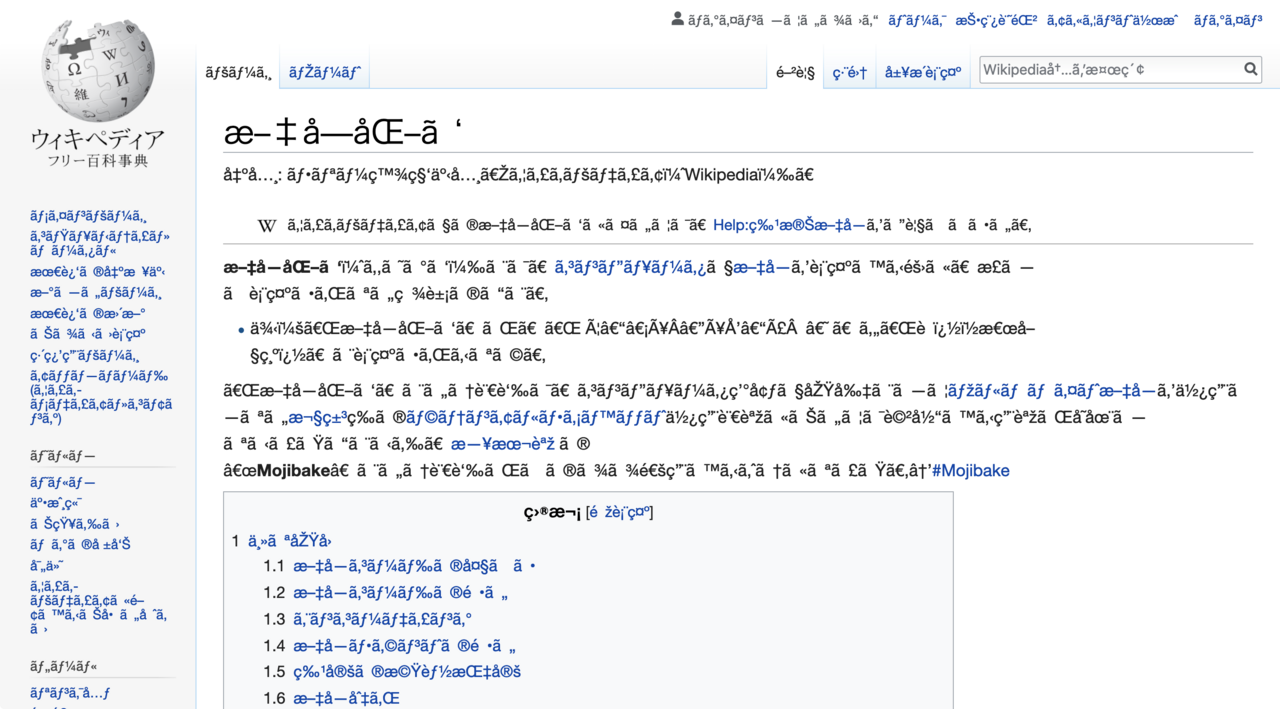
Dead Mount Display isn't just a matter of obscure terminology; it highlights broader challenges in web search and information dissemination. Our own research mirrors the findings from various web scrapes: queries for "デッド マウ��ƒ³ãƒˆ デスプレイ" often lead to completely unrelated content. For instance, search results have pointed to pages discussing Polish photobooks exhibitions, articles about adding smartphone shortcuts, or even agricultural machinery parts – topics entirely disconnected from any plausible interpretation of
Dead Mount Display. This phenomenon, where searches yield mismatched or irrelevant results, is a common frustration for digital researchers. To delve deeper into this challenge, explore
Dead Mount Display: Why Web Contexts Lack Key Information.
Several factors can contribute to such a profound scarcity of online data for a specific term:
- Niche or Highly Technical Jargon: The term might be exclusive to a very specific industry, academic field, or professional group, with documentation limited to internal reports, specialized journals, or closed-access databases.
- Geographic or Linguistic Specificity: While the term is presented in Japanese, its literal English translation doesn't readily produce results. It might be a regional Japanese term with no widely adopted English equivalent, or vice-versa.
- Obscurity or Obsolescence: The concept or product might be extremely niche, have limited commercial viability, or refer to an outdated technology that has been superseded, leading to minimal contemporary online presence.
- Poor SEO or Indexing: Even if information exists, it might not be optimized for search engines, making it difficult to discover through conventional means. Content creators might not be using the exact phrasing or related keywords that would make their material visible.
- Emerging Concept: It's possible that Dead Mount Display is a relatively new or developing idea, and comprehensive explanations simply haven't been widely published or aggregated yet.
This consistent pattern of irrelevant results, as highlighted in the provided contexts, underscores the digital void surrounding デッド マウント デスプレイ. For more insights into how search queries for this term often lead to disparate information, read
Searching Dead Mount Display: Mismatched Results from Web Pages.
Strategies for the Digital Detective: How to Uncover Niche Information
When faced with a term as elusive as
Dead Mount Display, conventional search engine queries often fall short. Becoming a "digital detective" requires a more strategic and persistent approach. Here are actionable tips to unearth information about highly specialized or obscure terms:
- Vary Your Search Terms and Languages:
- Literal Translation vs. Contextual Keywords: Beyond "Dead Mount Display" and "デッド マウンã��ˆ デスプレイ," try related concepts. For "dead mount," consider "fixed mount," "permanent display," "static installation," "inert display."
- Synonyms and Antonyms: Brainstorm what it *isn't* to refine what it *could be*.
- Search in Original Language: Always include the Japanese term "デッド マウント デスプレイ" in your searches, even if you primarily speak English. Use Google Translate or similar tools to explore common Japanese phrases that might relate.
- Explore Niche Forums and Communities:
- Industry-Specific Boards: If you suspect it's an electronics term, check forums for display technology, engineering, or specialized hardware. For exhibition-related guesses, look at museum design forums or art installation communities.
- Reddit and Discord: These platforms host countless specialized communities (subreddits, servers) where experts and enthusiasts discuss highly specific topics. Posting a query there might connect you directly with someone who knows.
- Consult Academic and Patent Databases:
- Google Scholar, IEEE Xplore, Semantic Scholar: These databases house research papers, technical articles, and patents. A term like Dead Mount Display might appear in highly technical literature before it reaches general web content.
- Patent Search: Websites like Google Patents or national patent offices (e.g., JPO for Japan) could reveal if a technology or method involving a "dead mount display" has been patented.
- Utilize Archival and Historical Resources:
- The Wayback Machine (archive.org): This invaluable tool allows you to view past versions of websites. If Dead Mount Display refers to an older product or concept, its information might have been online years ago but since removed.
- Digital Libraries and Historical Records: Explore digitized books, magazines, and catalogs that might predate the modern internet.
- Reverse Image and Video Search:
- If you ever encounter an image or video that *might* be a Dead Mount Display, use reverse image search (e.g., Google Images, TinEye) to find its source and accompanying textual information.
- Direct Industry Contact:
- If your research points to a particular industry or type of company, consider reaching out to manufacturers, industry associations, or academic departments. A direct inquiry to an expert can sometimes be the quickest way to gain clarity.
Potential Applications and Interpretations (Speculative)
Given the significant data vacuum, we can only speculate on the practical applications or contexts in which
Dead Mount Display might be used. These interpretations are drawn from the literal translation and common industry practices:
- Museum & Exhibition Design: "Dead mounting" is a recognized technique in conservation and display, where artifacts or specimens are permanently fixed to a backing for stable, long-term exhibition. A Dead Mount Display could refer to the entire setup, emphasizing the static and preserved nature of the exhibited items.
- Industrial and Commercial Signage: Perhaps it denotes a robust, non-removable display panel used for fixed informational purposes in harsh industrial environments or permanent outdoor signage where the display itself is "dead mounted" to a structure for maximum durability and security.
- Specialized Electronic Components: In electronics, a component might be "dead mounted" if it's permanently soldered or fused to a circuit board without any intention for removal or modularity. A Dead Mount Display could be a screen that is integrally and immovably part of a larger, non-serviceable electronic system.
- Art Installations: Contemporary art often utilizes unconventional terminology. A Dead Mount Display could be an artist's term for a fixed, unchanging visual installation, perhaps emphasizing its finality or inertness as part of the artistic concept.
These potential applications highlight the breadth of possibilities, yet without concrete evidence, they remain hypotheses. The very existence of
Dead Mount Display as a functional, recognized term remains largely in the realm of conjecture, underscoring the necessity of more focused research and potentially, discovery.
Conclusion
The quest for information about "デッド マウント デスプレイ" (Dead Mount Display) serves as a potent reminder that despite the vastness of the internet, pockets of genuine obscurity still exist. This article has explored the challenges of researching such an elusive term, from the literal translation to the reasons behind its scarce online presence. While direct answers about its definition and application remain elusive, the journey itself offers valuable lessons in digital detective work. For anyone encountering similarly vague or niche terms, adopting a systematic approach, exploring diverse information channels, and thinking creatively about potential contexts are crucial. Ultimately, uncovering the full story of
Dead Mount Display may require a collaborative effort, relying on specialized knowledge from various fields or the eventual emergence of more comprehensive documentation online. Until then, it remains a fascinating example of the digital frontier's lingering mysteries.